

The Blog



How God Grew my Church Exponentially smaller
How I Came to Believe Bigger Was Better in the Church
By Pastor Doug Beutler
When I found myself without a church to take my Campus Life students to, I went to my pastor of the church I was attending at the time. What I didn’t realize was that the church was already beginning the search for a new youth pastor.
The church was a big church, averaging more than 1,000 people on Sunday mornings. It was one of the two largest churches in its denomination in terms of attendance. The senior pastor cared deeply about results, and because his own children and several key leader’s kids were in the youth group, he had a personal interest in seeing the ministry succeed.
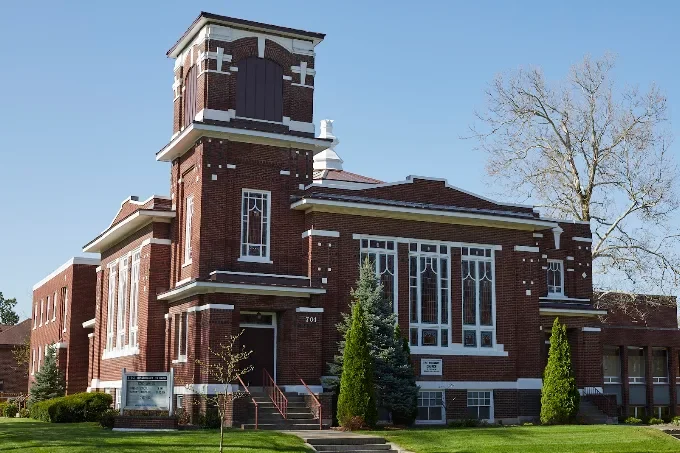
Unfortunately, the existing youth ministry had dwindled to about 20 faithful students. The youth pastor simply wasn’t considered “fun” or “relevant” enough for the teenagers of that generation. From the senior pastor’s perspective, the group spent too much time boring the kids and not enough time having a good time.
That’s where I came in.
I knew teenagers. I knew how to get them to show up. Most importantly, I knew how to introduce them to Jesus and lead them to faith in Christ. As I talked with the senior pastor about my vision for youth ministry, I began to realize that he was looking for a quick fix. He wanted someone who could turn things around, attract more students, and build a youth ministry that would make the church proud.
He soon offered me the job.
And I was ready.
At the time, I saw no danger in the arrangement. The church wanted a progressive, growing youth ministry, and I was convinced I could deliver. In fact, the opportunity strengthened a belief that had already begun taking root in me: bigger was better.
Almost immediately, students began showing up. I continued working with my Wayne Campus Life students, and before long, many of them were coming to church with me. The youth group grew from 20 students to 50, then 100 students on a regular basis. Our special outreach events attracted 150 to 200 teenagers.
People were amazed. The church was excited. We had momentum, and it seemed like everything was working exactly as it should.
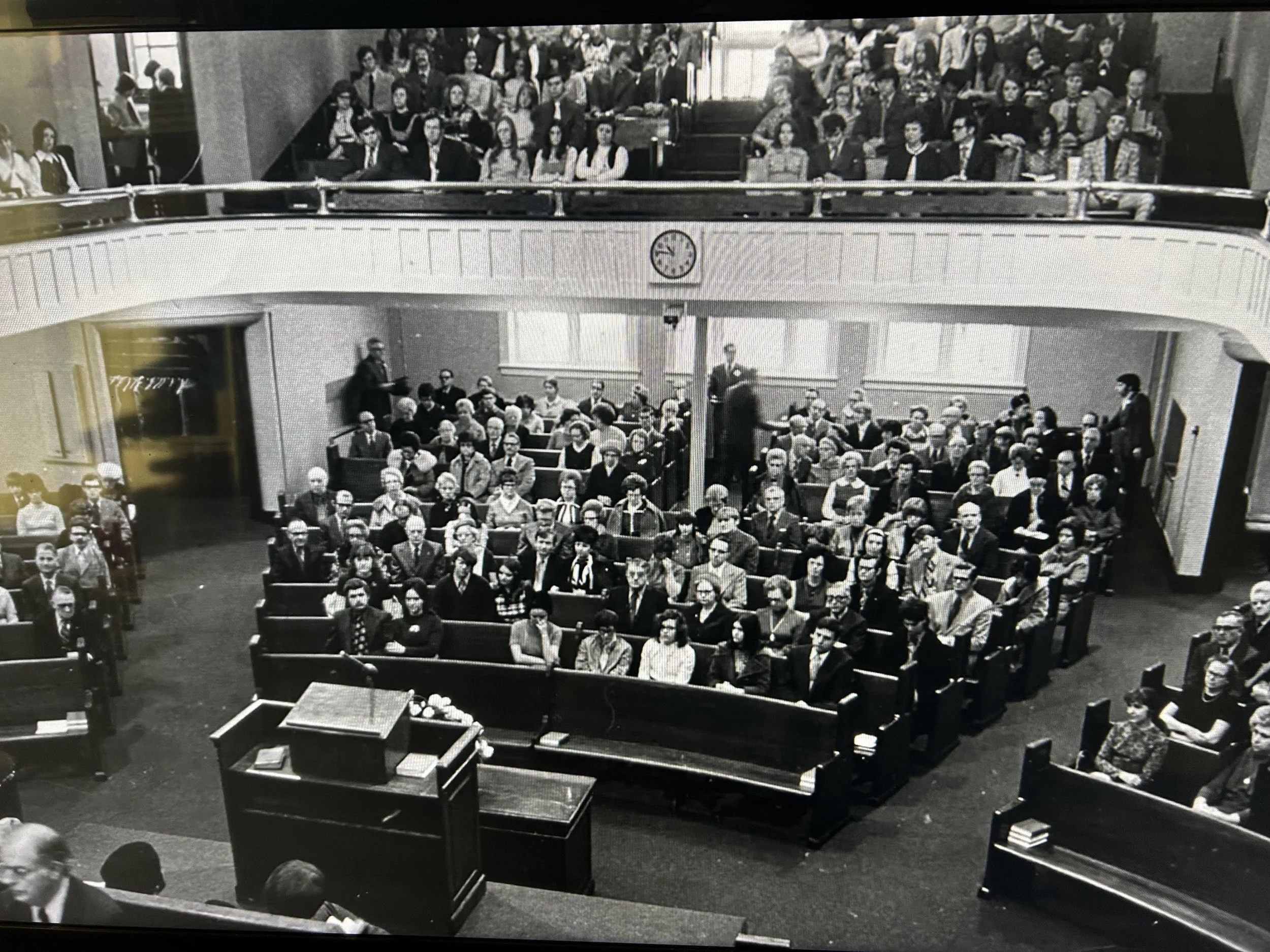
The growth brought more than attendance. It brought affirmation. Every new student seemed to confirm that we were on the right track. Every successful event reinforced the idea that the ministry was healthy because it was expanding.
There were a few people who voiced concerns along the way, but the ministry was growing so rapidly that their objections were largely drowned out by the excitement. After all, how could anyone argue with success?
We were bringing more students to the district youth conference than any other church. The conference included competitions in sports, music, and drama, and we won everything.
The victories made the story even more compelling. We were not merely growing; we were outperforming everyone else. The numbers were rising, the crowds were coming, and the trophies were piling up.
Everything seemed to confirm what I was beginning to believe: bigger was better, growth was the goal, and the numbers proved we were doing something right.
But success can create its own kind of blindness. When everything appears to be working, it becomes easy to assume that nothing needs to be questioned. I had not yet learned that a ministry can be growing on the outside while serious problems are developing underneath.
That lesson was about to come quickly.
When Success Couldn’t Protect Us
The senior pastor soon became embroiled in a conflict that created tremendous controversy throughout the church. Eventually, he resigned under a cloud of controversy, and his departure triggered a church split. People began leaving, and the congregation started shrinking.
For the first time, the larger church around us was losing momentum. The atmosphere changed. Conversations that had once centered on growth and possibility now focused on conflict, uncertainty, and survival.
The youth group, however, continued to grow averaging 110-150 students on a regular basis. Our special outreach events attracted 300 to 400 teenagers.
In fact, some parents stayed at the church specifically because their children were involved in the youth ministry. Even as the church went through a lengthy interim period and Sunday attendance dropped below 800, our youth ministry kept moving forward.
That continued growth seemed to protect us. It gave people something positive to point to in the middle of the turmoil. As long as teenagers were coming, parents were staying, and the youth ministry was thriving, it was tempting to believe that we could remain untouched by the church’s deeper problems.
But growth could not shield us forever.

Then, finally, the church hired a new senior pastor.
He came from a different denomination, and few people in the congregation really knew him. He seemed to fit the image the church was looking for, but his arrival would prove to be a serious mistake.
At first, I assumed the transition would bring stability. After all, the church needed leadership, and I believed the youth ministry’s success would speak for itself. We had a proven record. We were reaching students. We were doing exactly what the church had asked us to do.
Not long after he arrived, he called me into a meeting.
He told me the youth group had too many students who came from outside the church. He also told me that I had become too powerful within the congregation.
His solution was simple: I was to tell the students whose parents were not part of the church to stop coming and concentrate my efforts on the church’s own teenagers.
I couldn’t believe what I was hearing.
The very students whose presence had once been celebrated were now being treated as a problem. These were students who were coming to church, hearing the gospel, building relationships, and, in many cases, discovering Jesus for the first time. They were exactly the kind of young people a church should have been excited to reach.
And now I was being asked to turn them away?
That didn’t sit well with me. I believed we were doing what the church was supposed to do—reaching people who were outside its walls. I wasn’t willing to abandon that mission simply because the new pastor was threatened.
Before long, I resigned.
My departure shook the church. But it also forced me to make a decision about my own future. I had spent years believing that growth would solve problems and prove the value of a ministry. Now I was leaving the ministry that had grown so dramatically, not because it had failed, but because its success had become part of the conflict.
I still believed that bigger was better, and wherever God led me next, I was determined to prove it. I was convinced that if I worked hard enough, used the right strategies, and did whatever it took, I could build something bigger. I had no idea how much God would challenge that belief in what was coming next.


How God Grew My Church Exponentially Smaller
How I Learned to Chase Bigger
Pastor Doug Beutler
When I began full-time ministry in 1982, I had one simple desire: I wanted teenagers to know Jesus.
I joined Youth for Christ (YFC) as the Campus Life Director in Van Wert, Ohio. Our staff was small - an executive director, a secretary, and me. I was young, energetic, competitive, and convinced I could help change the world.

What I didn't realize was that those early years would also teach me how to measure ministry success.
And the lesson I absorbed was simple:
Bigger was better.
Learning the Game of More
The following summer, I attended YFC's three-week training camp. It was an intense experience filled with training in evangelism, Campus Life philosophy, and the history of Youth for Christ.

I learned a lot of valuable things.
But I also began learning what I call the game of more.
If we wanted to influence a school, we needed to reach influential students. We would do "run-throughs" during lunch periods at local high schools, trying to meet students and build relationships.
But we especially wanted to meet the "right" students.
The athletes.
The cheerleaders.
The popular kids.
The students who could attract other students.

The formula was pretty simple:
Meet more students.
Invite more students.
Create better programs.
Attract bigger crowds.
And it worked.
Soon, nearly 100 teenagers were packed into basement meeting rooms every week. We organized trips to Great America, Florida, and countless other events. Students loved it. They invited their friends, and the ministry grew.
I even noticed teenagers leaving their church youth groups because Campus Life seemed more exciting.
At the time, I considered that a win.
The better the program, the bigger the crowd.
The bigger the crowd, the greater the recognition.
The greater the recognition, the more opportunities opened up.
Without realizing it, I was learning to play the game of more.
I loved Jesus. I genuinely cared about teenagers. I wanted them to know Christ.
But another desire was quietly growing alongside those good desires.
I wanted to be successful.
And I was learning to measure success with numbers.

Reaching the Top
My success eventually took me from Van Wert to Elkhart County Youth for Christ and finally to Fort Wayne Area Youth for Christ.
Fort Wayne YFC was considered one of the premier Youth for Christ ministries in the country. Many of the leaders I admired served there.
For me, it felt like reaching the top.
It was also competitive.
Who could reach the most students?
Who could run the biggest club?
Who could create the most exciting program?
Who had the next great idea?
Shortly after arriving, I was assigned to launch a Campus Life Club at Wayne High School.

We kicked off the year with a "Burger Bash."
More than 100 students showed up.
Within the next few months, seven students trusted Christ as their Savior.
I was thrilled.
My club was growing.
Students were coming to Christ.
People were noticing.
Everything seemed to confirm what I already believed:
Bigger meant successful.
Then something happened that I wasn't expecting.
"We Don't Want Those Kids"
I began visiting churches throughout the Wayne High School district. These seven teenagers had trusted Christ, and I wanted to connect them with local churches where they could grow in their new faith.

It seemed like the obvious next step.
Instead, some of the responses broke my heart.
"We don't want those kinds of kids."
"They wouldn't understand what we're studying."
"We're really not equipped for students like that."
I couldn't believe what I was hearing.
We had worked hard to reach teenagers who didn't know Jesus. They had responded to the gospel. Now they needed a church family where they could belong and learn what it meant to follow Christ.
But the doors weren't opening.
I didn't realize it then, but God was planting a question in my heart that would become incredibly important years later:
What good is gathering a crowd if we aren't prepared to help people become disciple-makers?


How God Grew My Church Exponentially Smaller
The Oxymoron of Growing Smaller
By Pastor Doug Beutler
I’ve been a Chicago Cubs fan for as long as I can remember. It’s practically in my DNA—my dad was a Cubs fan, and his dad before him. Being a Cubs fan wasn’t just something we did; it was part of who we were.
For 108 years, Cubs fans lived with a running joke—the ultimate oxymoron: the words winning and Chicago Cubs in the same sentence. Every season started with hope and usually ended in disappointment.
Then came 2016.
Sure, it happened a year later than Back to the Future Part II predicted, but it finally happened. The Cubs won the World Series. Just like that, one of baseball’s greatest oxymorons disappeared. The Chicago Cubs were champions.
But for much of my life, I carried around a different kind of oxymoron—one that I didn’t just hear, but actually believed…Growing Smaller.
At first glance, it doesn’t make sense. Growth means getting bigger, right? Bigger means getting better. Success is measured by more—more people, more resources, more influence. Whether in business or ministry, the goal always seemed to be the same - expansion.
That’s how our world defines success.
For twelve years, I served as the Chief Operating Officer of a nonprofit that grew from a $3 million organization to a $15 million one. By every measurable standard, we were thriving.
But were we really?
As we grew, cracks began to show. Systems that once worked started to fail. Staff became overwhelmed and burned out. Communication suffered. Relationships grew strained. The momentum that once masked our weaknesses now exposed them.
That experience forced me to ask a question I had rarely considered before:
Is bigger always better?
I started noticing what I now call “Our growth obsession”. It’s everywhere—in business, in leadership culture, and even in the church.
Especially in the church.
Over the years, whether I was serving with Youth for Christ, working as a youth pastor, or planting a church, I realized how much my training revolved around numbers. We wanted to attract the right crowd, hit critical mass, create exciting programs, and pack as many people as possible into whatever space we had.
More people meant more success.
Or so I thought.
Then something unexpected happened.
God began whispering something in my heart.
At first, I didn’t understand it.
Honestly, I didn’t even like it.
Again and again, I sensed Him saying:
“I want you to grow smaller.”
Grow smaller?
It didn’t make sense. Small didn’t feel like growth. It felt like settling. Like making excuses. Like failure.
The other day, I was sharing with a close friend—a successful businessman—about what God was doing in our small church. After listening for a while, he looked at me, puzzled.
“I don’t get it,” he said. “How can you feel successful leading such a small church?”
He didn’t say it outright, but I could tell what he was thinking: Isn’t this a waste of your potential?
He wasn’t trying to be rude. He was just seeing things through the same lens most of us use. Bigger churches equal greater success. Smaller churches must mean something is failing.
From his perspective, what I was describing sounded like another oxymoron.
Growing smaller.
What he didn’t fully understand is that God measures success very differently than we do.
God has been reshaping my understanding of ministry, leadership, and what it really means to succeed. I am seeing that the Kingdom of God doesn’t always expand by getting bigger. Sometimes it grows by going deeper. Sometimes multiplication looks nothing like accumulating large numbers.
And sometimes, the healthiest thing a church can do is grow smaller. We still struggle with that concept today just like my friend did but that doesn't meant it's not true.
This blog is about my journey—how God challenged my assumptions and why I now believe one of the greatest opportunities for the church today is to embrace what once sounded impossible:
Growing Smaller.
The Oxymoron of Growing Smaller
By Pastor Doug Beutler
I’ve been a Chicago Cubs fan for as long as I can remember. It’s practically in my DNA—my dad was a Cubs fan, and his dad before him. Being a Cubs fan wasn’t just something we did; it was part of who we were.
For 108 years, Cubs fans lived with a running joke—the ultimate oxymoron: the words winning and Chicago Cubs in the same sentence. Every season started with hope and usually ended in disappointment.
Then came 2016.
Sure, it happened a year later than Back to the Future Part II predicted, but it finally happened. The Cubs won the World Series. Just like that, one of baseball’s greatest oxymorons disappeared. The Chicago Cubs were champions.

But for much of my life, I carried around a different kind of oxymoron—one that I didn’t just hear, but actually believed…Growing Smaller.
At first glance, it doesn’t make sense. Growth means getting bigger, right? Bigger means getting better. Success is measured by more—more people, more resources, more influence. Whether in business or ministry, the goal always seemed to be the same - expansion.

That’s how our world defines success.
For twelve years, I served as the Chief Operating Officer of a nonprofit that grew from a $3 million organization to a $15 million one. By every measurable standard, we were thriving.
But were we really?
As we grew, cracks began to show. Systems that once worked started to fail. Staff became overwhelmed and burned out. Communication suffered. Relationships grew strained. The momentum that once masked our weaknesses now exposed them.
That experience forced me to ask a question I had rarely considered before:
Is bigger always better?
I started noticing what I now call “Our growth obsession”. It’s everywhere—in business, in leadership culture, and even in the church.
Especially in the church.
Over the years, whether I was serving with Youth for Christ, working as a youth pastor, or planting a church, I realized how much my training revolved around numbers. We wanted to attract the right crowd, hit critical mass, create exciting programs, and pack as many people as possible into whatever space we had.
More people meant more success.
Or so I thought.
Then something unexpected happened.
God began whispering something in my heart.
At first, I didn’t understand it.
Honestly, I didn’t even like it.
Again and again, I sensed Him saying:
“I want you to grow smaller.”
Grow smaller?

Grow smaller?
It didn’t make sense. Small didn’t feel like growth. It felt like settling. Like making excuses. Like failure.
The other day, I was sharing with a close friend—a successful businessman—about what God was doing in our small church. After listening for a while, he looked at me, puzzled.
“I don’t get it,” he said. “How can you feel successful leading such a small church?”
He didn’t say it outright, but I could tell what he was thinking: Isn’t this a waste of your potential?
He wasn’t trying to be rude. He was just seeing things through the same lens most of us use. Bigger churches equal greater success. Smaller churches must mean something is failing.
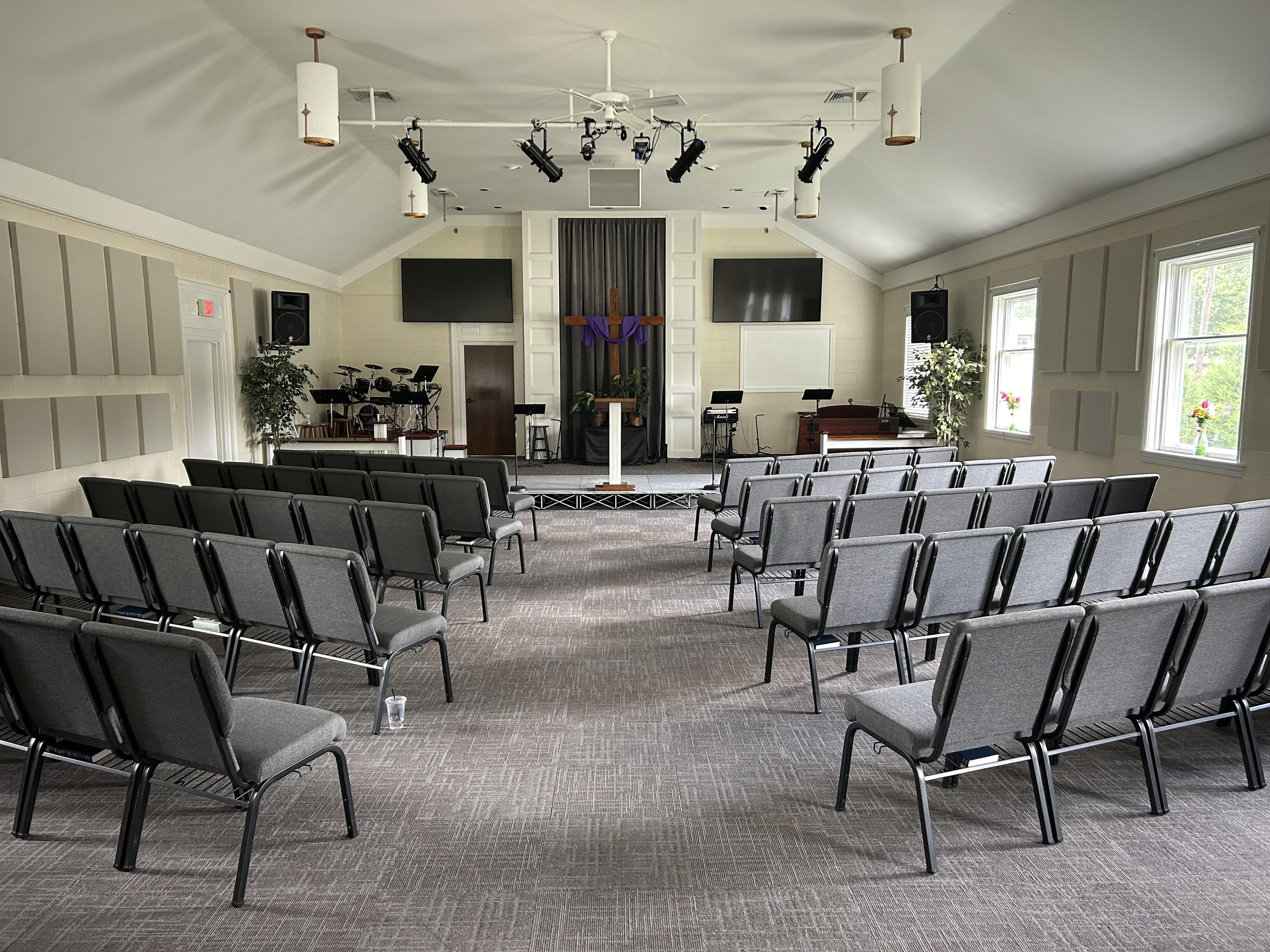
From his perspective, what I was describing sounded like another oxymoron.
Growing smaller.
What he didn’t fully understand is that God measures success very differently than we do.
God has been reshaping my understanding of ministry, leadership, and what it really means to succeed. I am seeing that the Kingdom of God doesn’t always expand by getting bigger. Sometimes it grows by going deeper. Sometimes multiplication looks nothing like accumulating large numbers.
And sometimes, the healthiest thing a church can do is grow smaller. We still struggle with that concept today just like my friend did but that doesn't meant it's not true.
This blog is about my journey—how God challenged my assumptions and why I now believe one of the greatest opportunities for the church today is to embrace what once sounded impossible:
Growing Smaller.